Introduction
This series is called Spaces.
It is not a story about opening a business. It is a record of how a space is born — and how a person slowly steps out of an existing structure to create their own rhythm, rules, and way of sensing the world.
This first entry is about how I began my path into independent massage work, and the first space that made it real: the shed.
How I began this path
At the beginning, there was no clear plan.
It was more of a feeling — a quiet recognition that something in the way I was working could be reshaped.
Massage, in most contexts, is treated as a standardized service: fixed time, fixed price, fixed procedure. But in my experience, it is something else entirely.
It is a shift in state.
From tension → into release From external control → back into the body From social identity → into a temporary space of presence
I started to wonder what would happen if I could define everything myself — the space, the scent, the rhythm, the way touch is delivered, and the atmosphere that holds it all.
Independence, for me, was never just a career move. It was the act of reclaiming authorship over experience.
At the same time, I felt uncertain. Stepping away from a known structure carries weight. There is no guarantee that what you are building will hold.
But I chose to listen to something quieter than fear — something internal that kept pointing me in this direction.
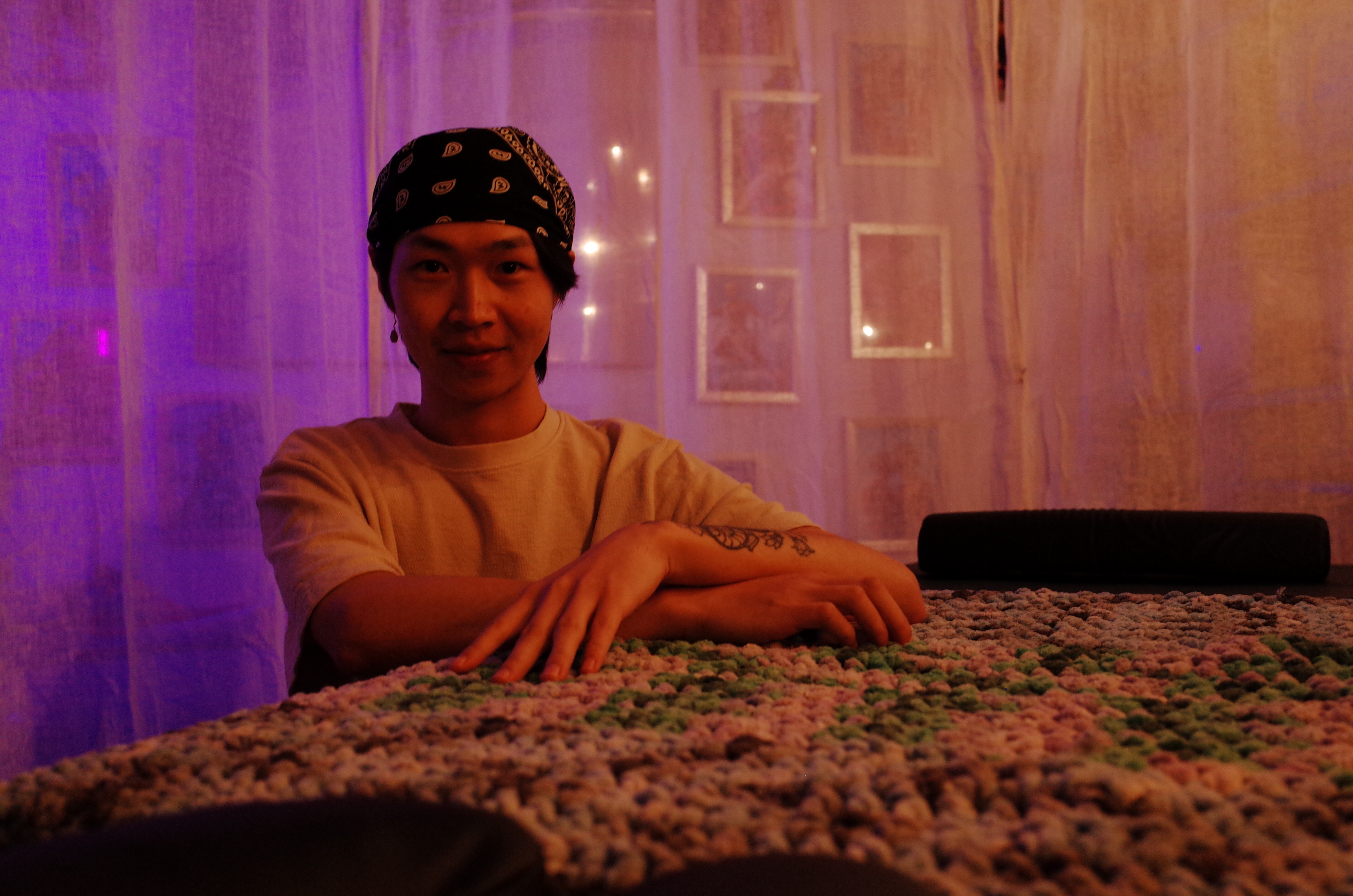 Me with my first massage table in the shed
The first space: The Shed
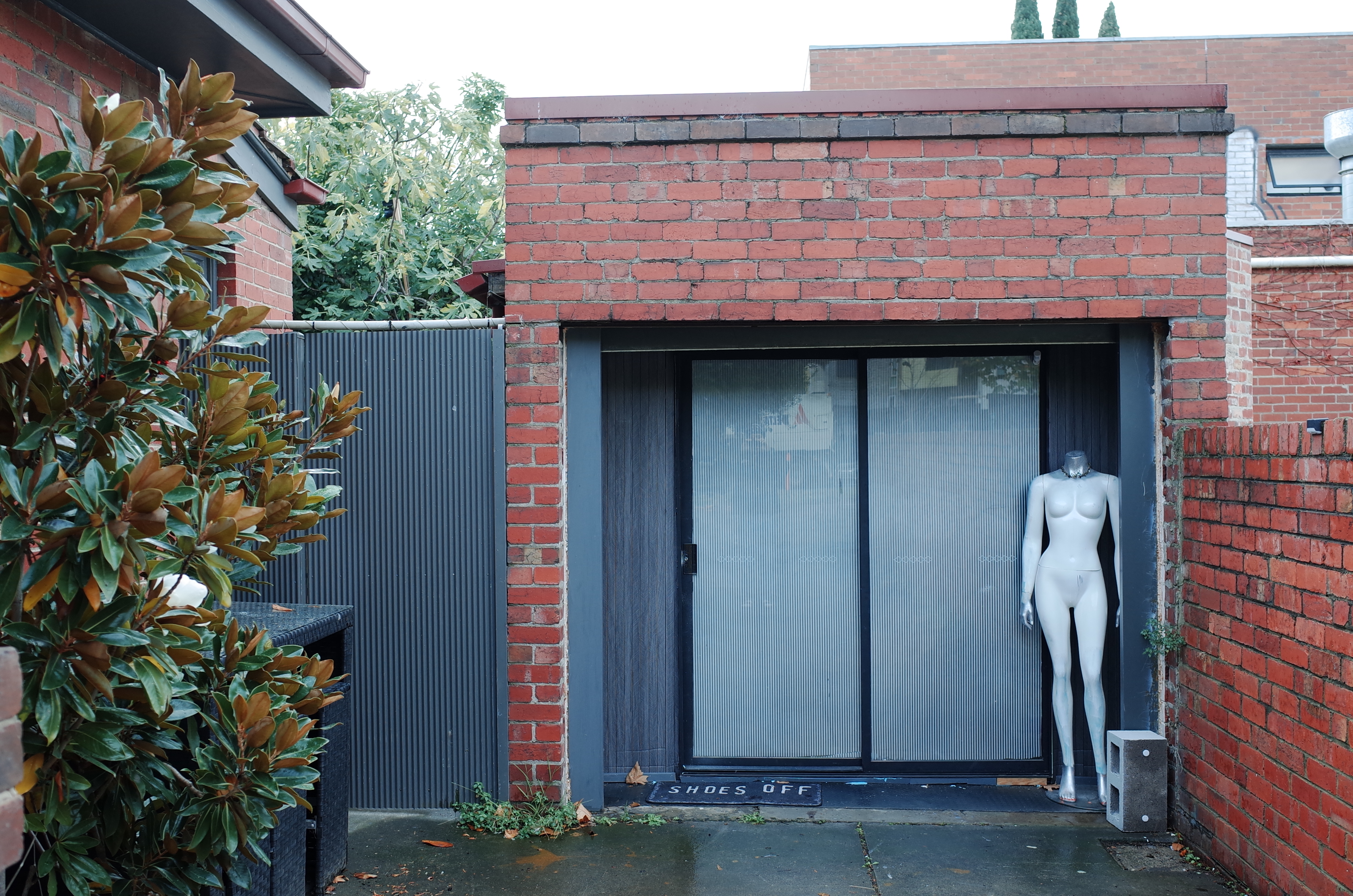
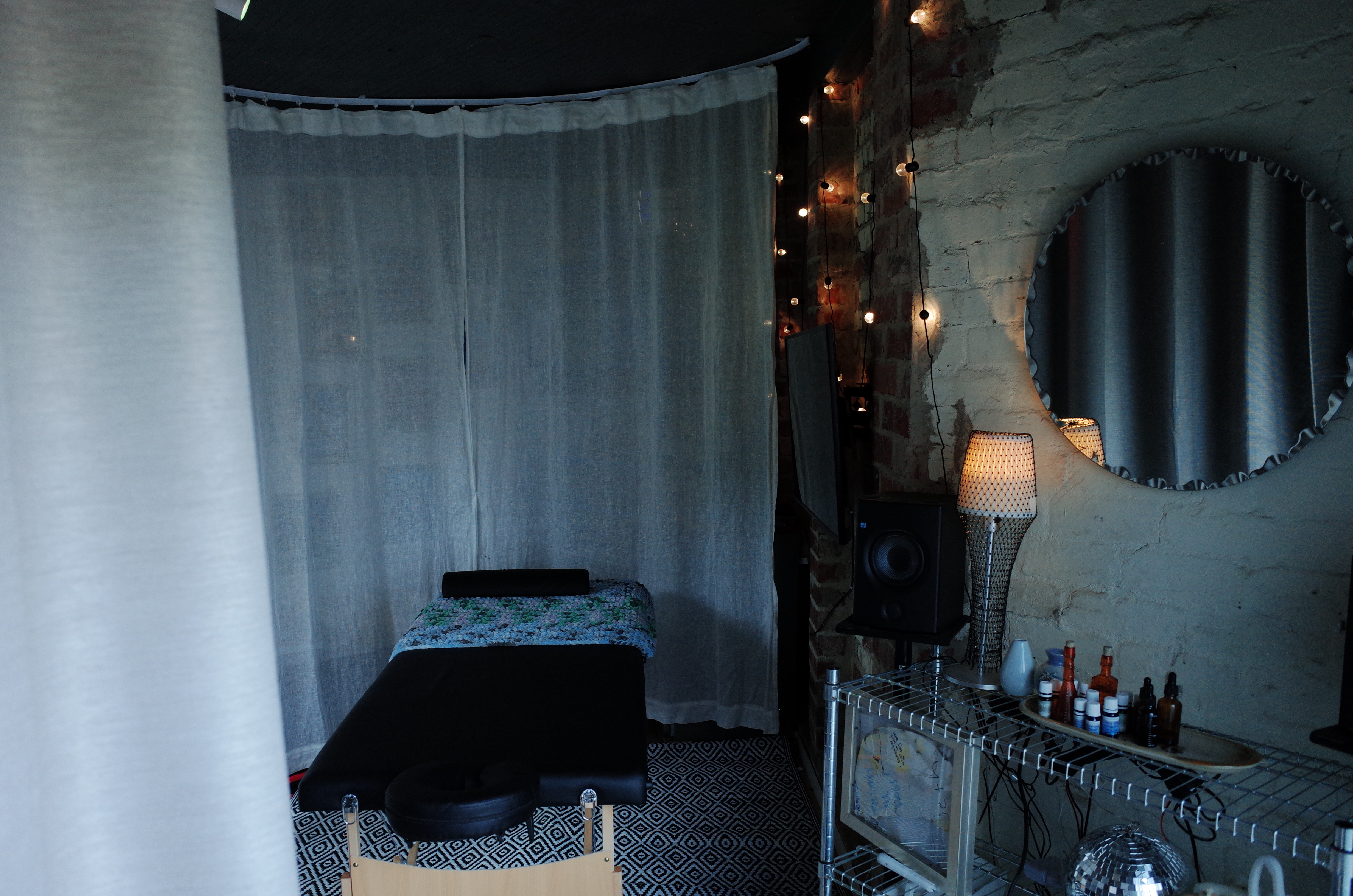
This shed is where everything started.
It is not a polished studio. It was not ready-made. It began as a simple structure with potential — something ordinary that could be transformed.
Slowly, it became something else.
Not through decoration, but through intention.
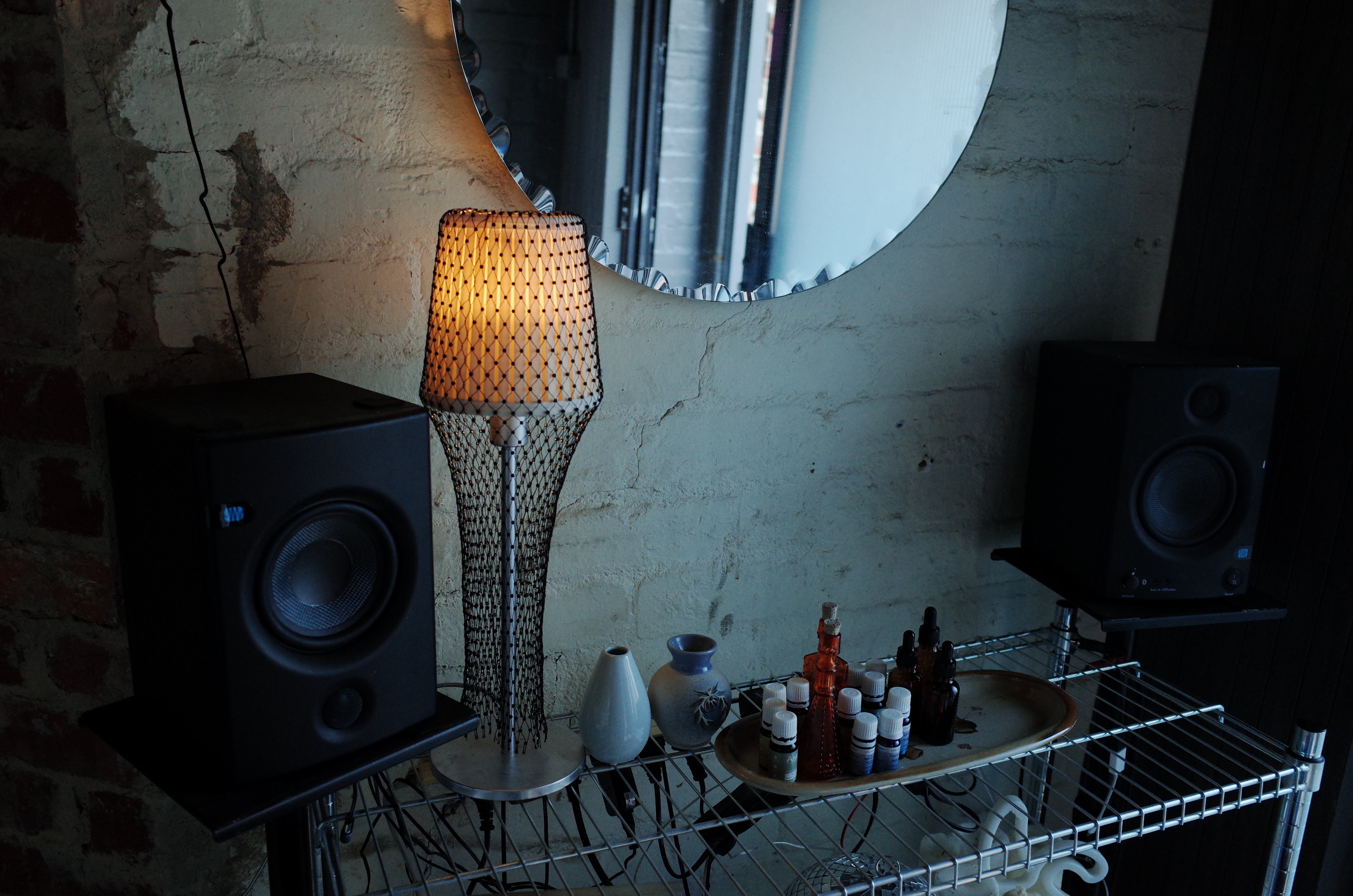
I began shaping it around a sensory system — not just visual or physical, but deeply atmospheric.
One important support
I didn’t build this alone.
My housemate Lloyd played an important role in this process.
He supported the idea from the beginning and helped me physically transform the shed — doing practical work, rebuilding parts of it, and making it possible for the space to actually exist.
At a time when I felt uncertain and slightly exposed, that support grounded the decision into reality.
What I learned first
The most important question was never about technique.
It was this:
Does a person’s state actually change when they enter this space?
If nothing shifts, then it is just a service. If something shifts, then the shed becomes something else entirely — a transformation space.
This is only the beginning
I don’t yet know what this space will fully become.
It may expand. It may evolve. It may be rebuilt again.
But in this moment, it has already done something important:
It has moved me from being someone who delivers a service into someone who designs experience.